Computer Skills · Work

AI projects and programs

Ideas turned into real programs through advanced use of AI. The code remains confidential: here you will find the screenshots, the method and the results.

Research · Linguistics for Digital Communication, 2025/2026 academic year

Eight LLMs put to the test

Scalability of semantic intelligence in LLMs: a cross-tier evaluation of zero-shot detection of morphosyntactic anomalies (paper in Italian). By Giuseppe Testa, Edoardo Pio Di Muro, Giovanni Di Domenico, Francesco Riemma.

My role: Software development (generators and analysers in Python), data extraction, tests on Claude, manual validation of ambiguous cases, writing of the paper in CEUR-WS format.

The method

  • 12 real Italian texts from the Paisà corpus, about 1,200 words each.
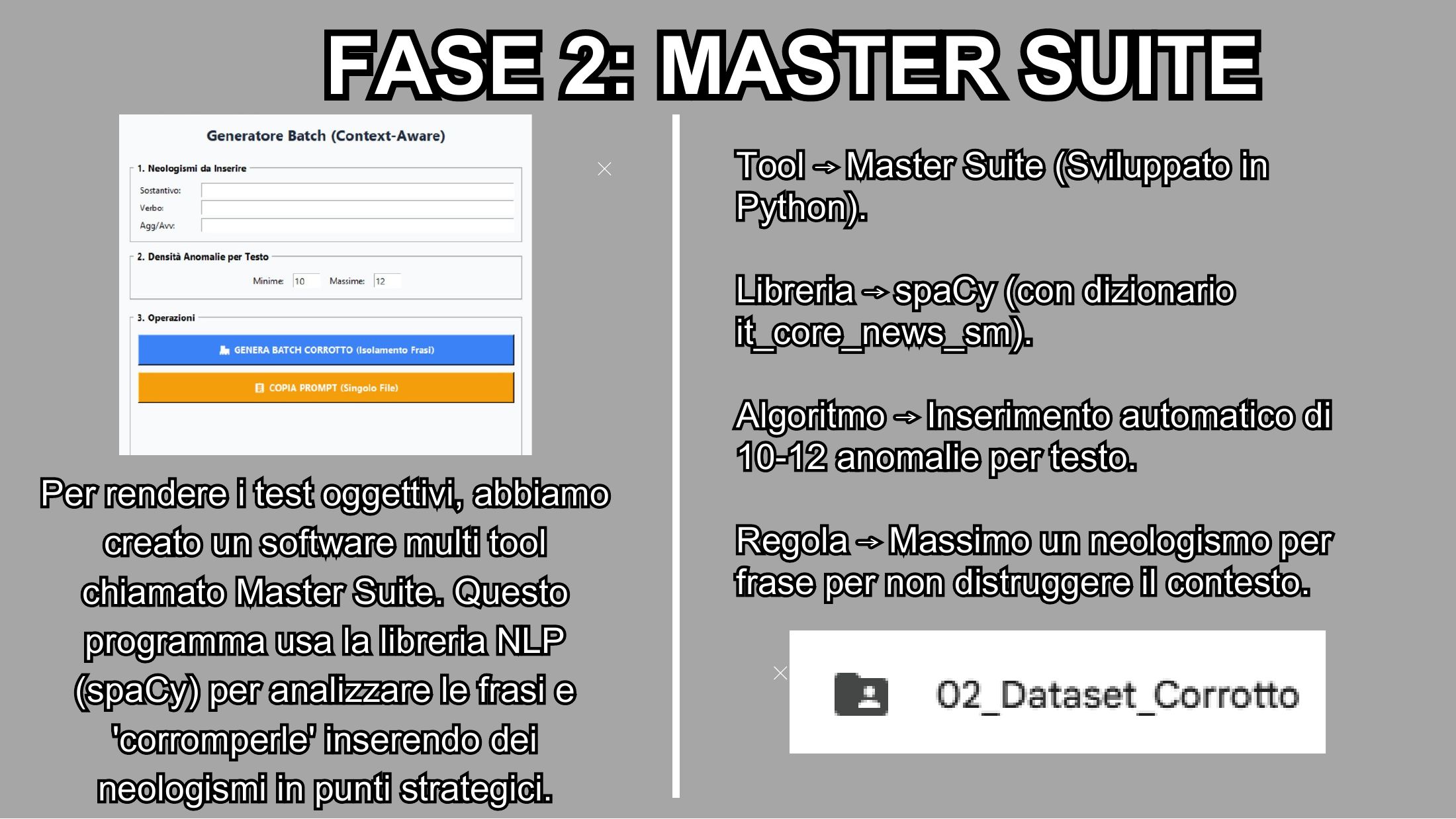
  • 10 – 12 neologisms inserted per text with spaCy (Garlio, Vembrare, Sedialoso), at most one per sentence.
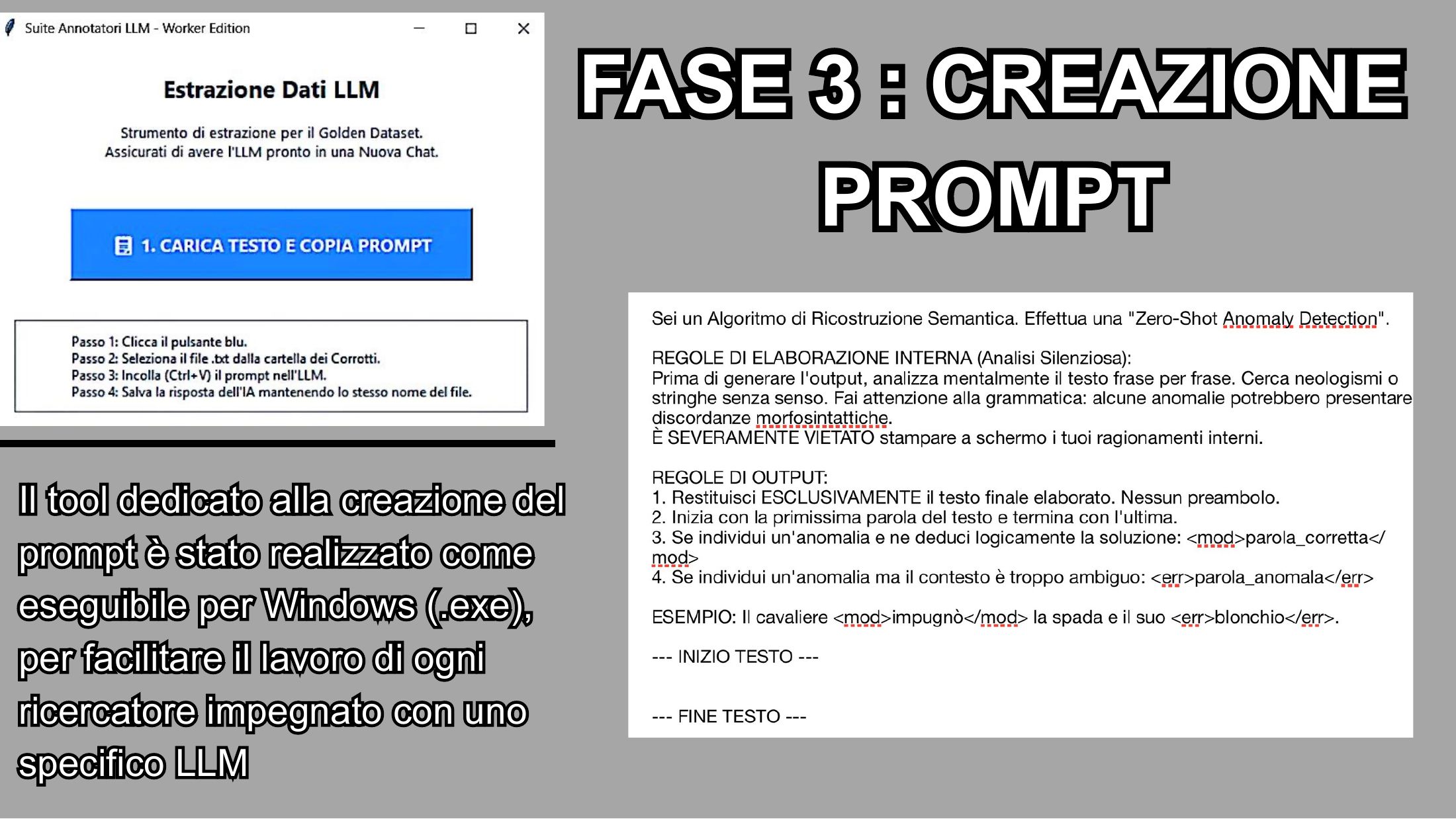
  • The same validation prompt for every model, in zero-shot mode.
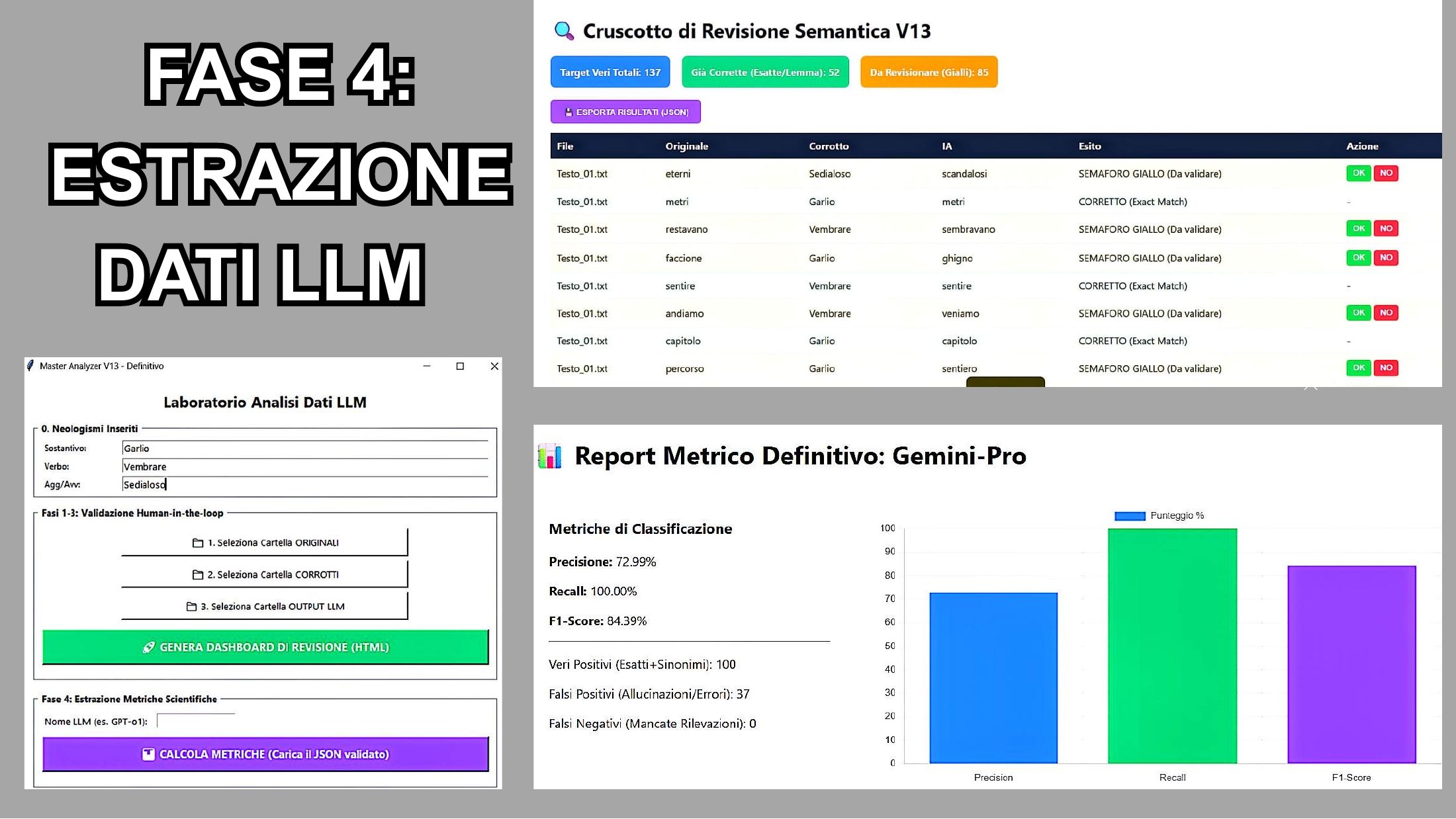
  • Automatic comparison (exact and lemma match) plus human validation of doubtful cases; calculation of precision, recall and F1.

F1 score by model

  • Gemini 3.1 Pro (Pro)84.4%
  • Gemini 3.1 Flash (Free)81.4%
  • ChatGPT o3 (Pro)77.1%
  • Claude 4.7 Opus (Pro)70.1%
  • Claude 4.6 Sonnet (Free)69.5%
  • ChatGPT 5.3 (Free)67.6%
  • Copilot Smart (Free)47.8%
  • Copilot Think Deeper (Pro)42.5%
Full data table
ModelTierF1True positivesFalse positives
Gemini 3.1 ProPro84.4%10037
Gemini 3.1 FlashFree81.4%9443
ChatGPT o3Pro77.1%8651
Claude 4.7 OpusPro70.1%7463
Claude 4.6 SonnetFree69.5%7364
ChatGPT 5.3Free67.6%7067
Copilot SmartFree47.8%4394
Copilot Think DeeperPro42.5%37100

No model missed an anomaly (100% recall): the difference lies in the “hallucinations”, that is, corrections to words that were not wrong. The paid version does not guarantee more: Copilot Pro did worse than the free version.

Slides, banners and screenshots are shown as in the original projects, in Italian.

More programs born from an idea

Each one starts from a concrete problem. The code stays private: here I explain the idea, how I developed it by guiding AI and what it does, with real screenshots.

Video Saver, Android app

Save a public video in two taps

The problem was simple: save a video seen on social media without going through websites full of ads. I imagined an app with a single field, “Paste the link”, that could also be used from the Share button of any app.

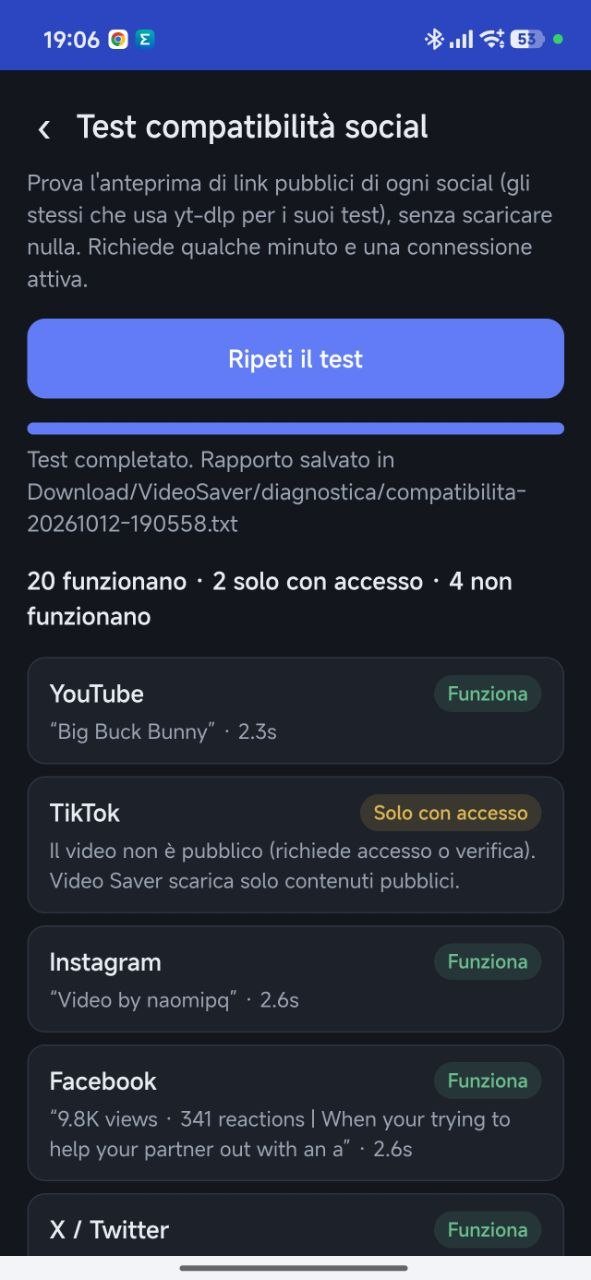
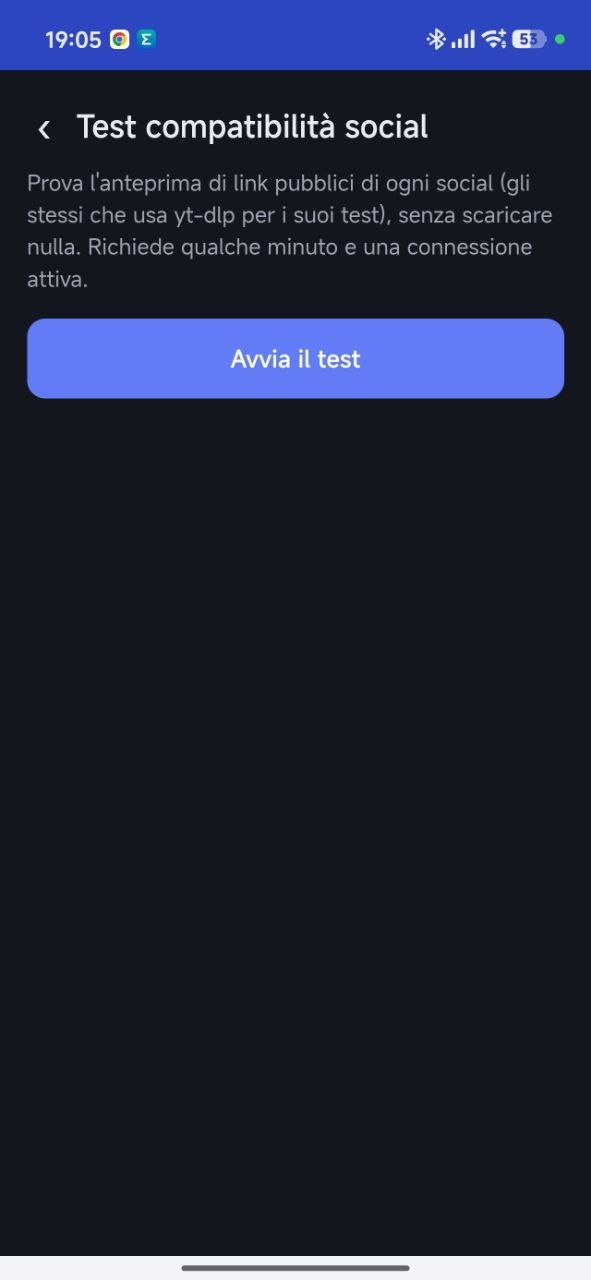
Then came the question every user asks: which social networks does it really work with? So I added a compatibility test that tries the preview of public links from each platform, without downloading anything, and saves a report.

The role of AI: I defined the features, interface and test cases; the code was written with AI assistants under my direction, then tested on the phone.

Result: Latest test: 20 social networks work, 2 only when logged in, 4 do not work. The app only downloads public content.
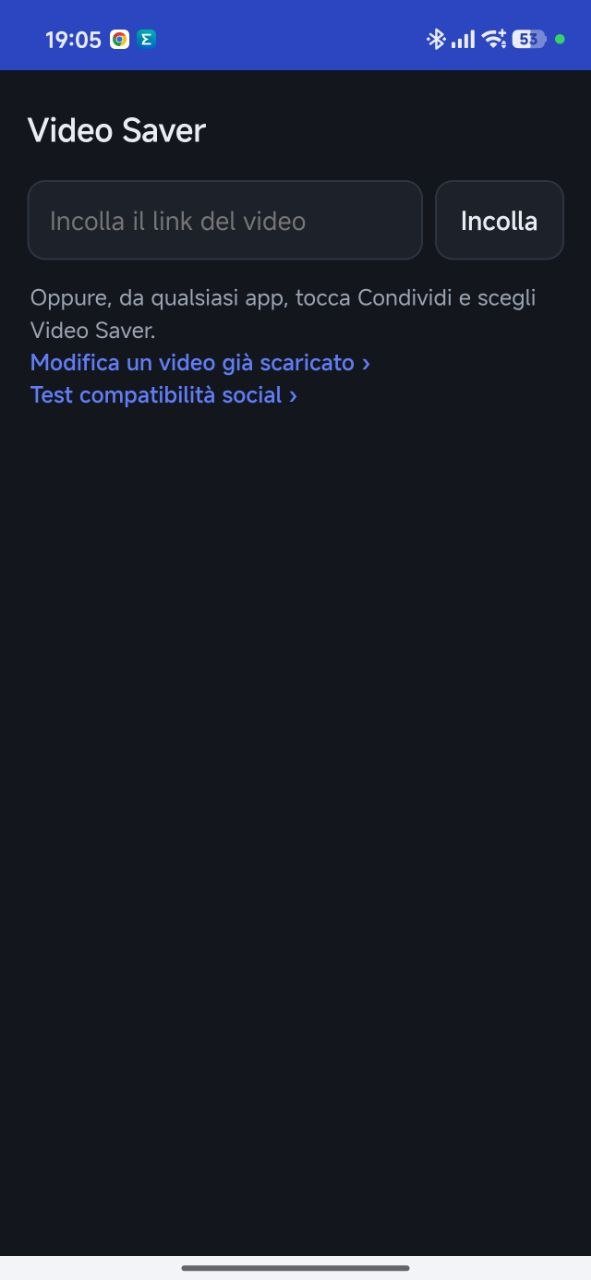
Video Saver home screen with the “Paste the video link” field (app interface in Italian)
A single field, or Share from any app
Social compatibility test screen with the Start test button (app interface in Italian)
The test explains what it does before it starts
Test results: 20 work, 2 only when logged in, 4 do not work, with the list YouTube, TikTok, Instagram, Facebook
Result for each social network, with a saved report

SPC, a football prediction system

Serie A 2026/27, from statistics to a readable result

I wanted to find out whether a serious statistical model could give predictions that make sense even to people who are not fluent in probability. SPC uses the Dixon-Coles model with a Bayesian prior: it estimates each team’s expected goals and derives every possible score from them.

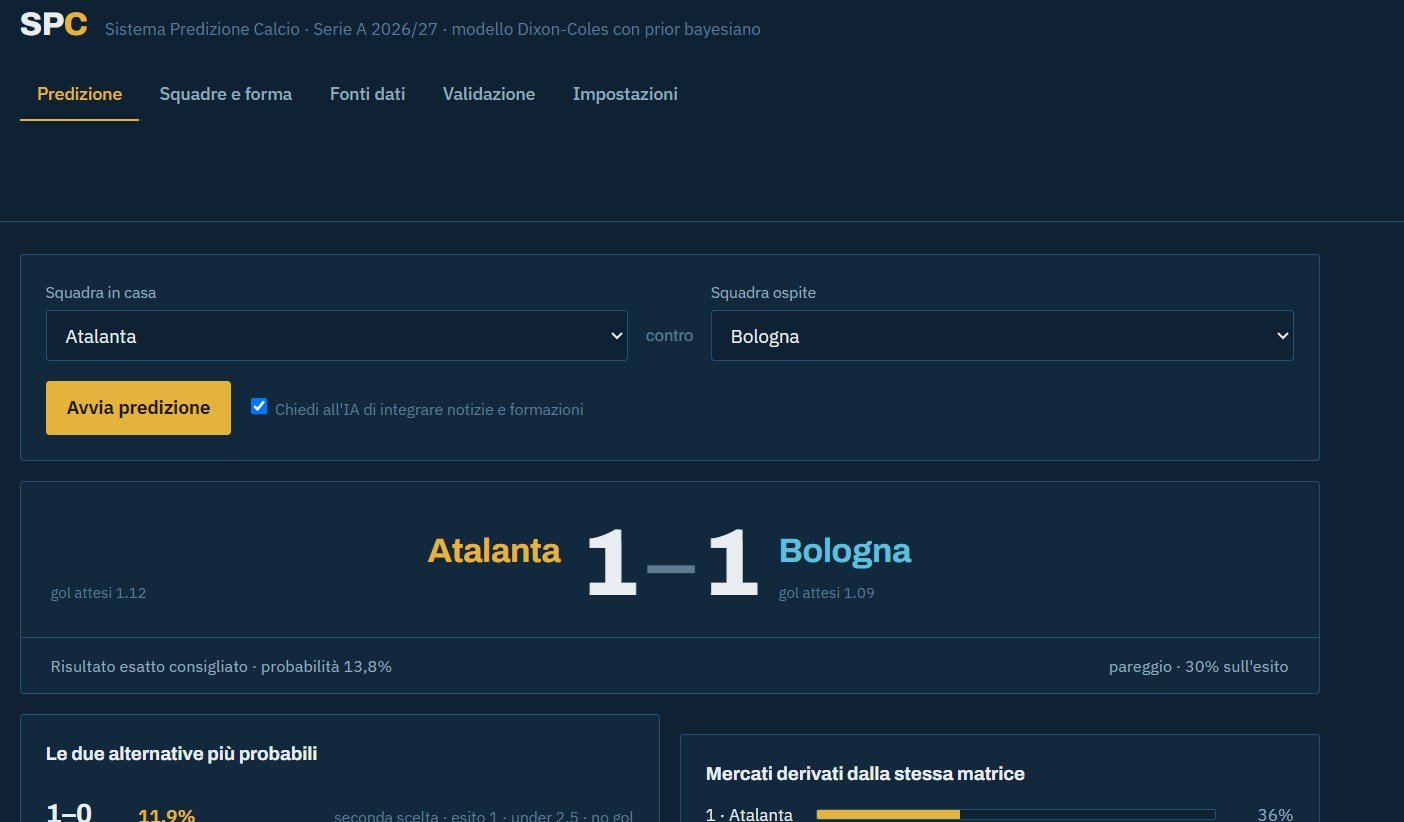
The real challenge was communication: showing a recommended score with its probability, the two closest alternatives and the derived markets (1X2, under/over, both teams to score) without hiding the uncertainty. One option asks AI to factor in news and line-ups.

The role of AI: I chose the model, wrote the requirements and designed the screens (Prediction, Teams and form, Data sources, Validation); development was done with AI and checked on the Validation tab.

Result: Example: Atalanta–Bologna, 1–1 recommended with a 13.8% probability, expected goals 1.12 and 1.09, draw at 30%.

SPC screen: Atalanta against Bologna, recommended score 1-1 with a 13.8% probability, expected goals 1.12 and 1.09 (interface in Italian)
The prediction: a big number, with the probability next to it

VDisk Converter

Move a virtual machine without losing a single bit

Anyone who works with virtual machines knows the problem: every program wants its own disk format. I designed a converter that automatically recognises VHDX, VHD, VMDK, VDI, QCOW2 and IMG/RAW and converts them, for example, to VMDK for VMware.

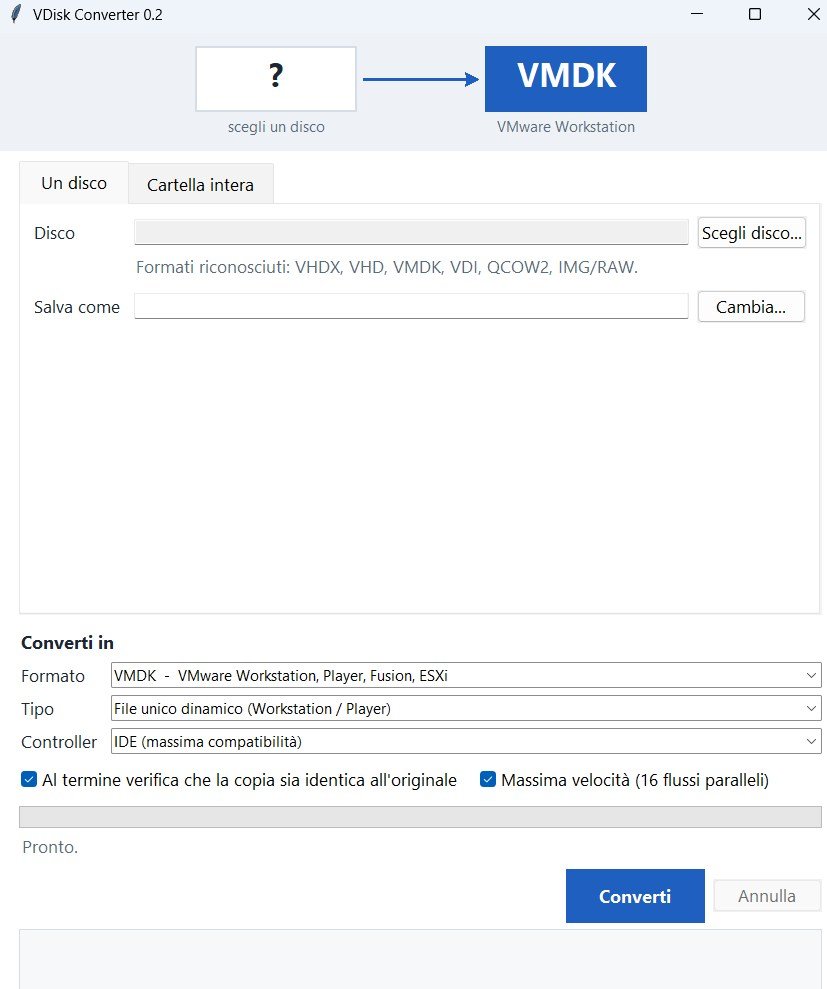
The interface shows the conversion as an arrow from one format to the other. You can convert a single disk or an entire folder, and at the end the program checks that the copy is identical to the original.

The role of AI: I defined the formats, options and safety checks; the code was produced with AI assistants and I tested it on real disks.

Result: Version 0.2: 6 formats recognised, copy verification, up to 16 parallel streams.

VDisk Converter 0.2 window converting to VMDK, with choice of disk, format, type, controller and copy verification
From any disk to VMDK, with a final check

Semantic CV system

The project you are looking at

This website, a CV builder with 7 roles, DOCX/PDF export and a QR code, and a test environment in which 100 virtual HR recruiters assess the CV and the site at every version.

The role of AI: Designed with AI as a working tool, from the data structure to the tests.

The CV builder with an A4 preview
The builder with the CV preview

Want something similar for your brand?

I can prepare a dedicated example: a spot, an article or a product page.